 Cairo Day Tours
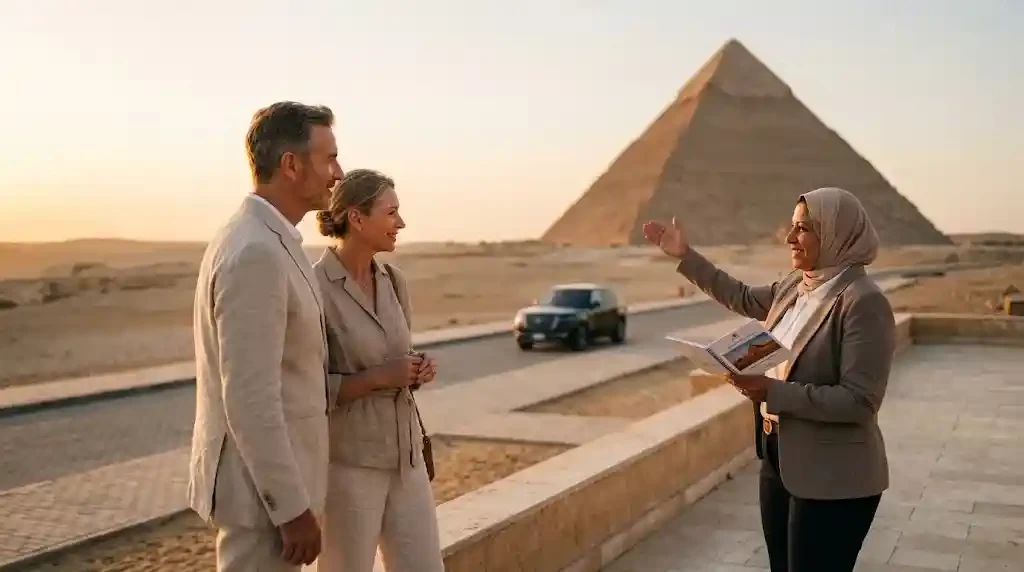
Ancient Egypt is an open-air museum spanning over 7,000 years of civilization. To help you navigate the sheer scale of history, here is our complete, region-by-region guide to the most magnificent temples and archaeological sites across the country.
Greater Cairo & Giza
-
The Giza Pyramids & Sphinx: The last remaining Wonder of the Ancient World, standing defiant after 4,500 years.
-
The Grand Egyptian Museum (GEM): The world’s largest museum dedicated to a single civilization, housing the complete collection of King Tutankhamun.
-
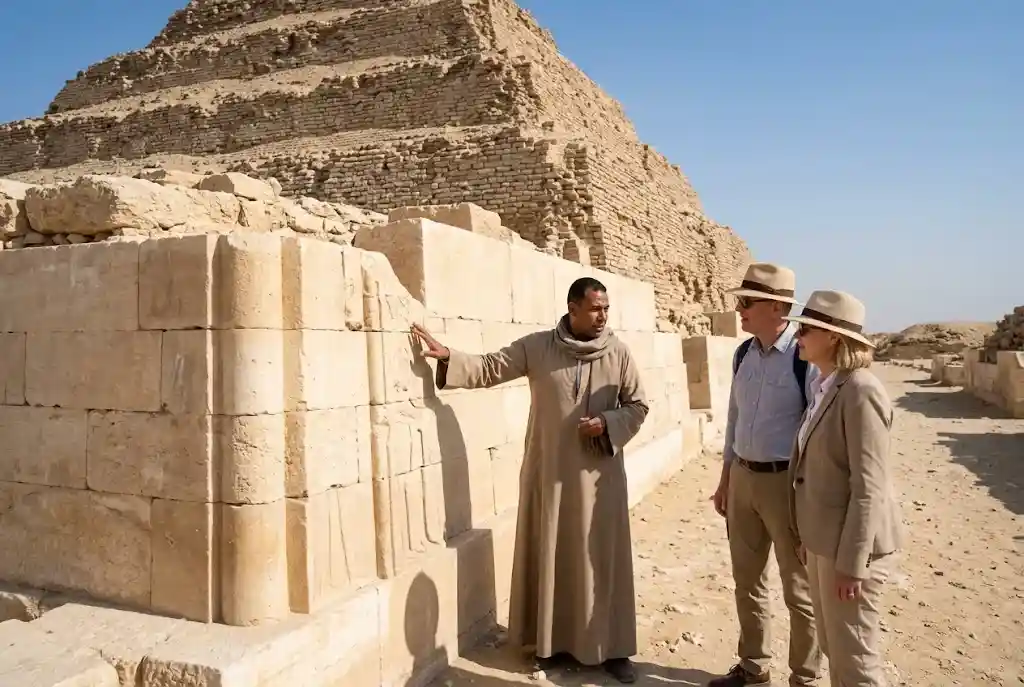
Saqqara & Memphis: Home to Egypt’s very first pyramid—the Step Pyramid of Djoser—and the ancient capital of Egypt.
Luxor (The World's Greatest Open-Air Museum)
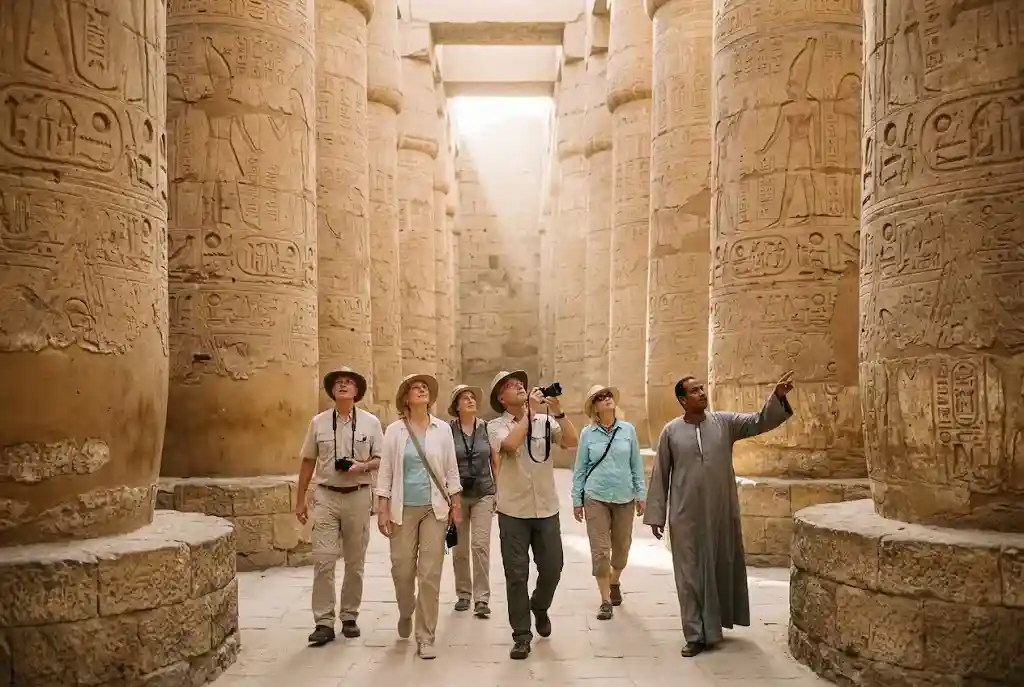
Formerly the ancient capital of Thebes, Luxor holds an unparalleled concentration of ancient monuments, divided by the Nile into the "City of the Living" (East Bank) and the "City of the Dead" (West Bank).
-
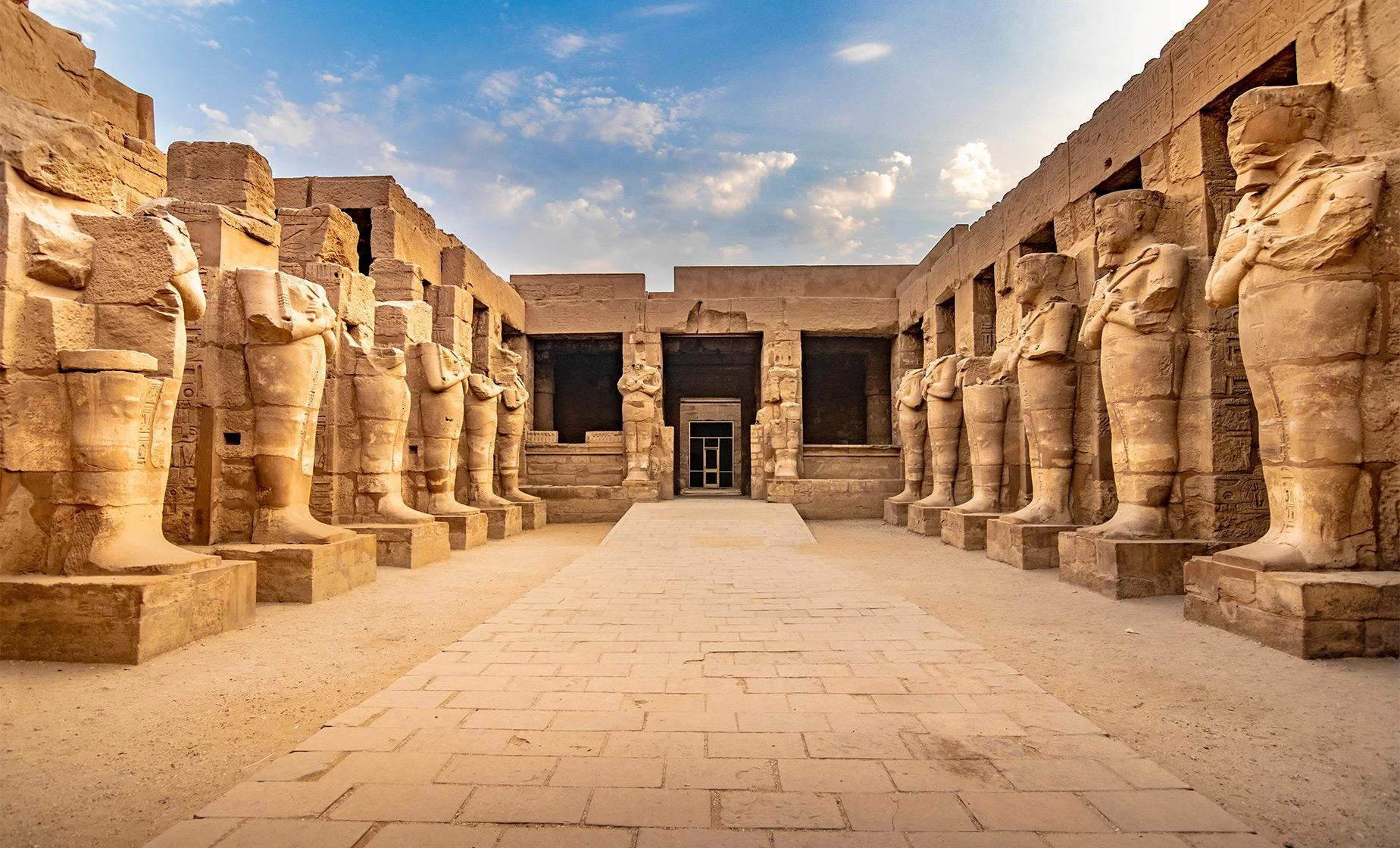
The Karnak Temple Complex: The largest religious site ever built, this massive complex on the East Bank was dedicated to the Theban Triad (Amun-Ra, Mut, and Khonsu). Walk through the awe-inspiring Hypostyle Hall, featuring 134 massive sandstone columns decorated with vivid, ancient reliefs.
-
The Valley of the Kings: Journey across the Nile to the rugged West Bank, where over 60 pharaohs were buried in elaborate, rock-cut tombs. Explore the vividly preserved burial chambers of famous rulers like Ramses VI and Seti I, adorned with detailed religious texts and colorful art that remains stunningly intact after thousands of years.
-
The Temple of Hatshepsut: Dedicated to Egypt’s most powerful female pharaoh, this striking funerary temple is built directly into the towering limestone cliffs of Deir el-Bahari. Its elegant, terraced design represents a dramatic departure from the architecture of other Egyptian temples.
-
Luxor Temple: Located in the heart of modern Luxor city, this elegant temple is best experienced at sunset, when it glows against the desert twilight. It was historically linked to Karnak by the majestic, newly restored 1.7-mile Avenue of Sphinxes.
Aswan & Nubia
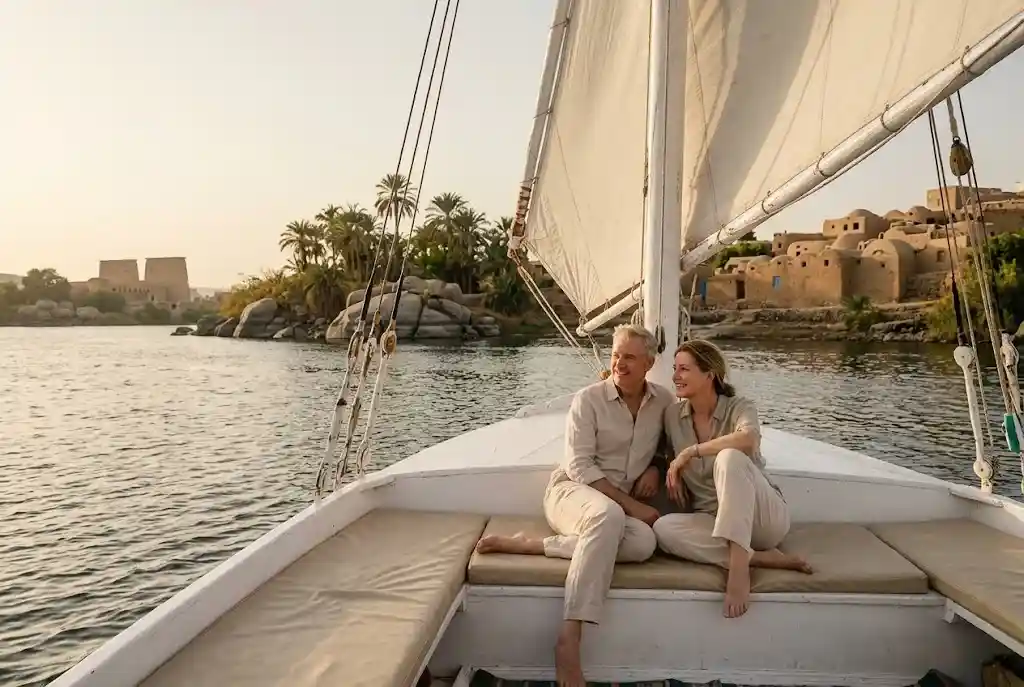
Situated at the scenic southern border of ancient Egypt, Aswan is famous for its distinct Nubian culture, tranquil Nile views featuring granite islands, and remarkable monuments rescued from the river's rising waters.
-
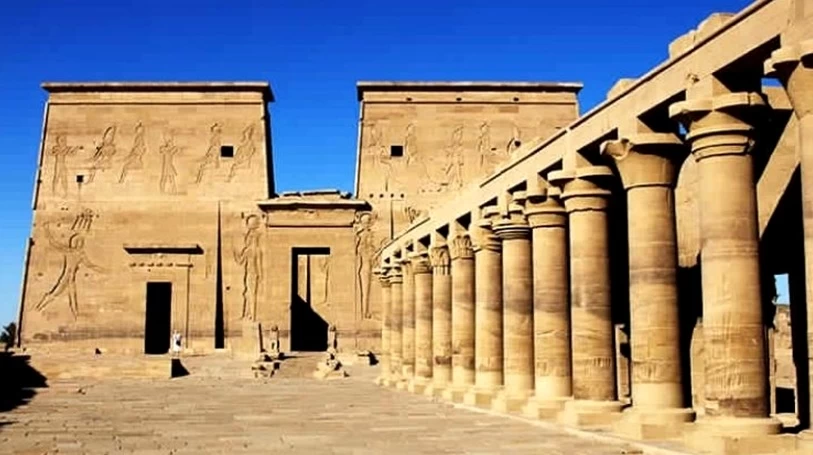
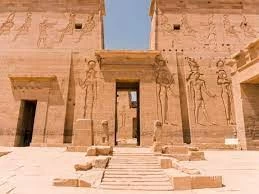
The Temple of Philae (Temple of Isis): Accessible only by a short, scenic boat ride, this breathtaking temple dedicated to the goddess Isis is set beautifully on Agilkia Island. It is one of the last places where ancient Egyptian religion was practiced and is celebrated for its romantic architecture and intricate carvings.
-
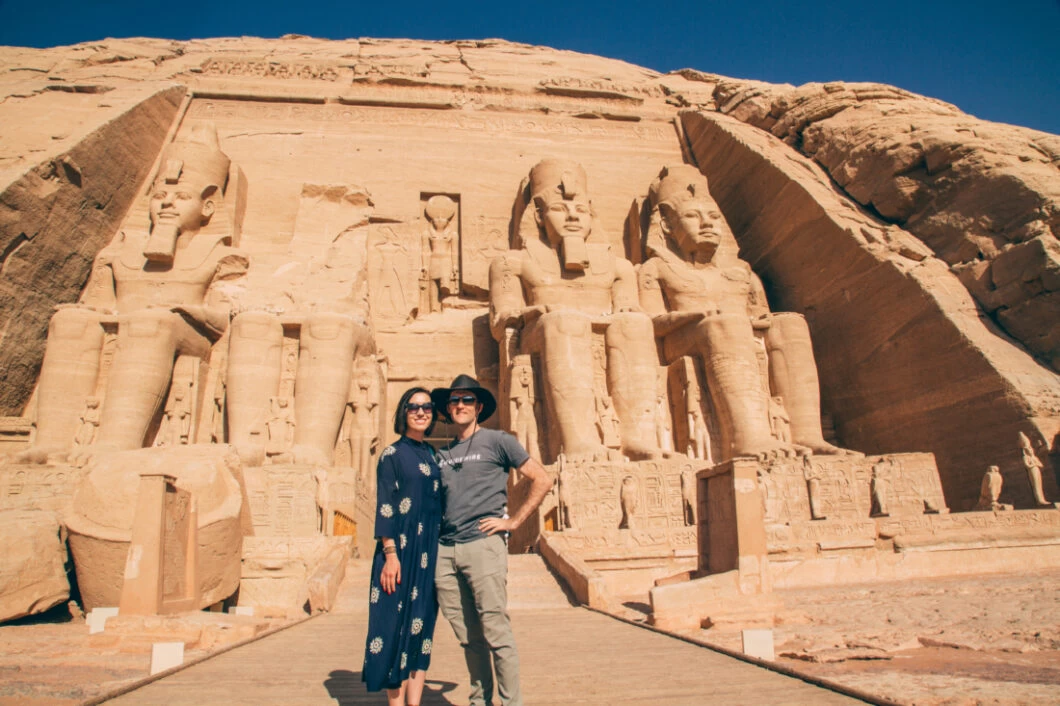
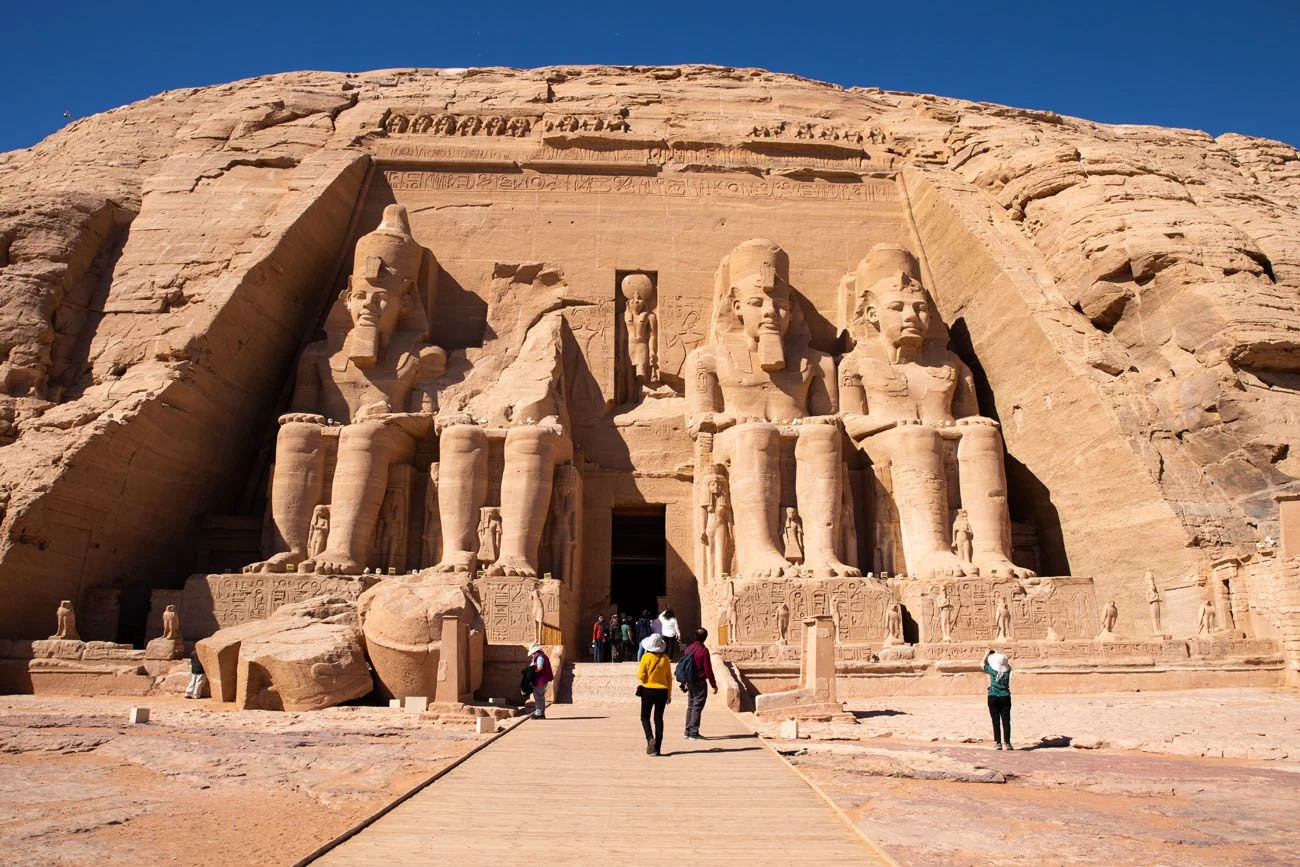
Abu Simbel: Though a day trip from Aswan, this UNESCO World Heritage site is an absolute must-see. Dedicated to King Ramses II and his beloved Queen Nefertari, these two colossal, rock-cut temples were painstakingly relocated brick-by-brick in the 1960s to save them from the rising waters of Lake Nasser.
-
The Unfinished Obelisk: Located in the ancient granite quarries, this massive obelisk, intended to be the largest ever carved, provides a fascinating look into the engineering and quarrying techniques used by ancient builders before it cracked and was abandoned in the stone.
-
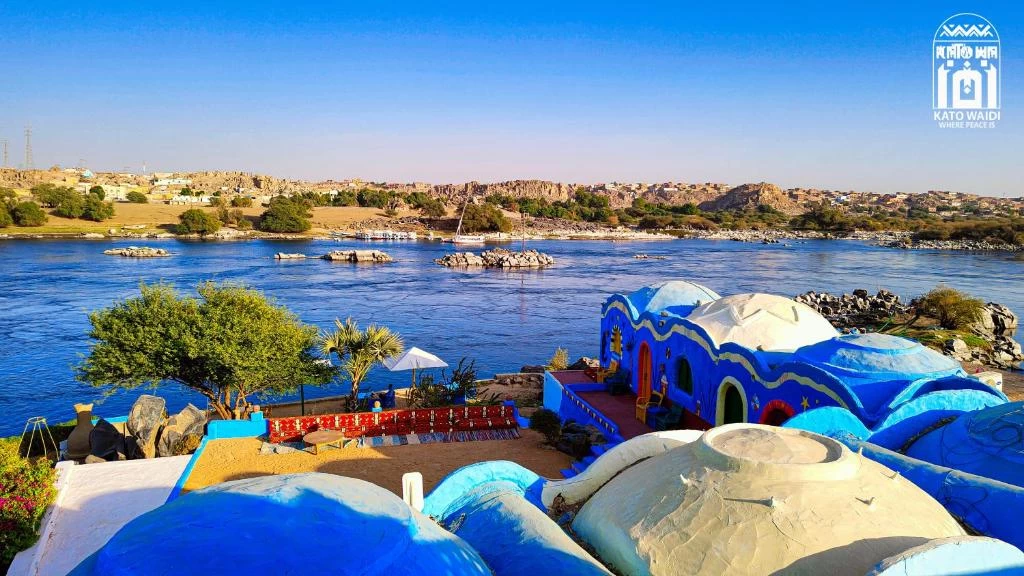
The Nubian Villages & Museum: Experience the vibrant, distinct culture of the Nubian people on Elephantine Island or the West Bank. The Nubian Museum showcases the history, art, and heritage of this ancient civilization that has long coexisted along the Upper Nile.
Explore Every Stone with Kemerya Tours
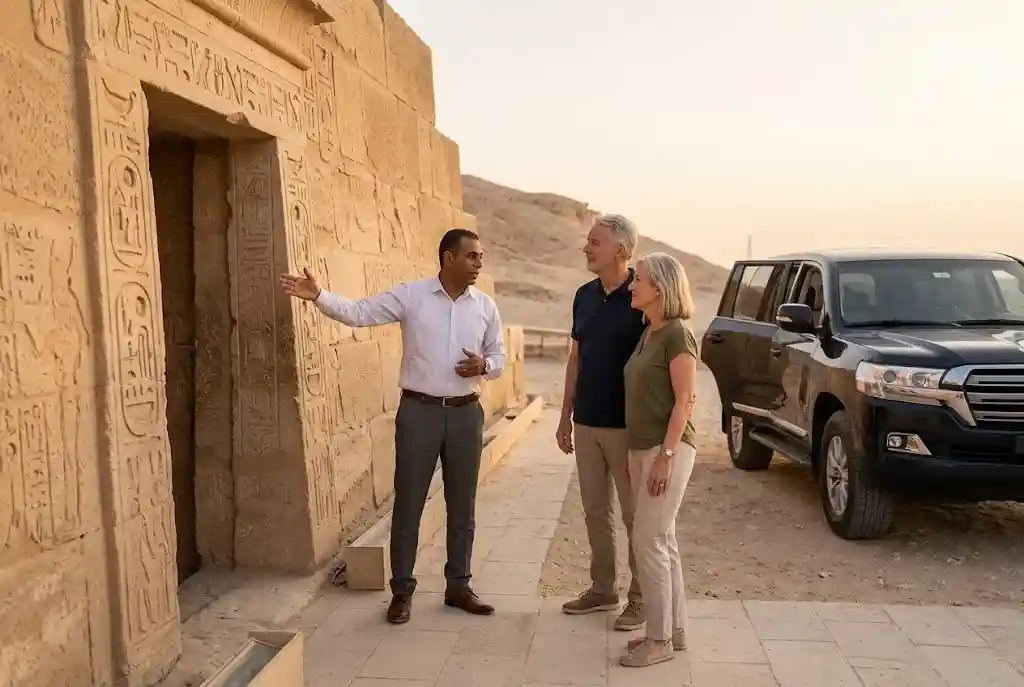
Navigating these ancient sites requires expert storytelling. Kemerya Tours provides elite, licensed Egyptologists across every region, bringing silent stone walls to life with fascinating historical narratives while managing all tickets and private transport.
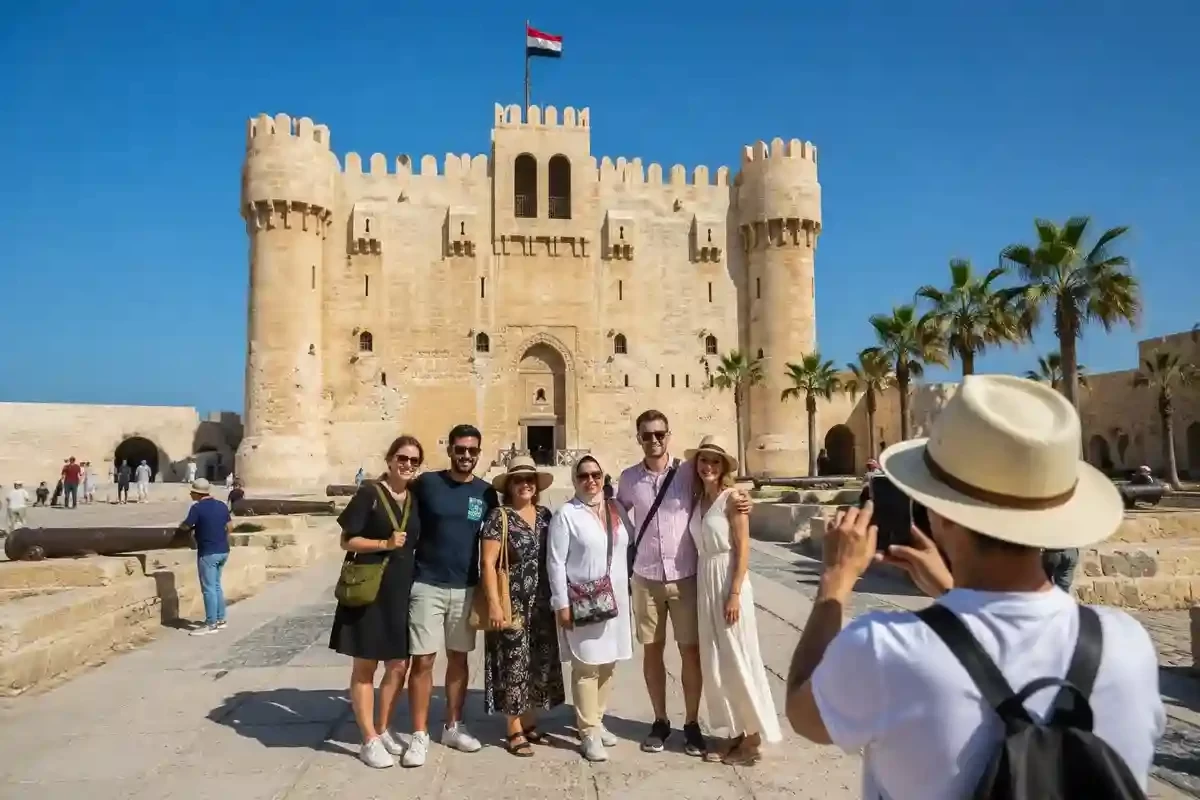
-webp.webp "Luxor West & East Banks Private Day Tour")